
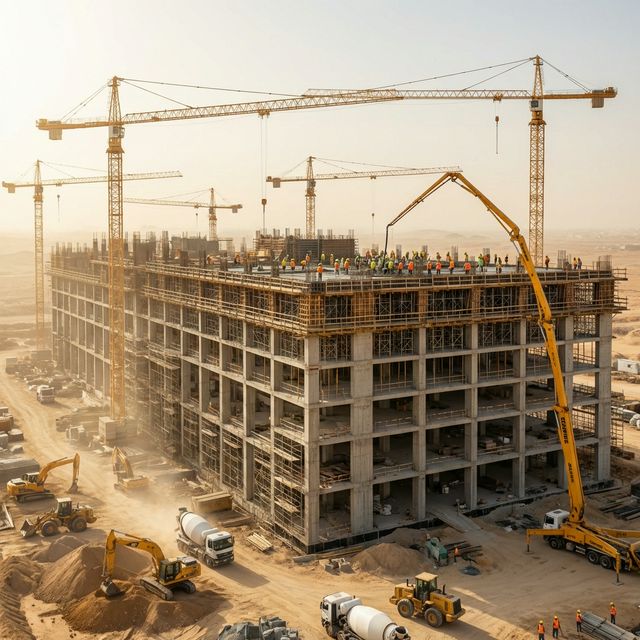
Site Safety: The Owner Responsibilities People Assume Are Someone Else's
Safety on site is the contractor's duty to manage, but the consequences of failure reach the owner. The gaps that matter most.
Read More180 articles in Construction and Contracting with practical commercial and delivery insight.
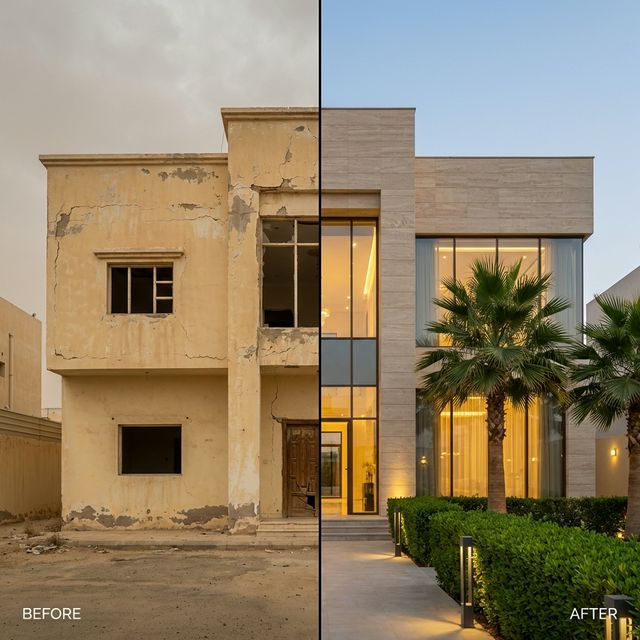
Safety on site is the contractor's duty to manage, but the consequences of failure reach the owner. The gaps that matter most.
Read More
Pipework replacement in an occupied building is priced by access, not by metres. Risers, concealed runs, making good and temporary supply dominate the bill.
Read More
Material waste, rework and idle time rarely appear as line items, yet they consume a real share of every construction budget.
Read More
Demolition looks like the simplest part of a project and carries some of its highest risks. The sequence that keeps it controlled.
Read More
A prequalification questionnaire collects documents. Whether the contractor can deliver your particular project is a different question, and these are the gaps it usually leaves.
Read More
One pays on a written demand, the other pays once default is established. The difference decides whether your security is money on call or the start of an argument.
Read More
Below ground water does not behave like rain. The beliefs below explain why so many basements in the Kingdom leak within a few years of handover.
Read More
The stages between handover and the end of a construction contract, what each certificate actually does, and the obligations that survive completion.
Read More
A flat roof in the Kingdom is a stack of layers in a deliberate order. The two common arrangements protect the membrane differently and fail in different ways.
Read More
Suspending or ending a construction contract is a sequence of contractual steps, and taking them out of order converts a strong position into a breach. The order they belong in.
Read More
Ducted systems hide the equipment and condition the whole house; splits are cheap to install and easy to replace. The right answer depends on the building, not on preference.
Read More
A fire door is a tested assembly, not a thick door. Mixing up the two is one of the most common and most serious compliance failures in a finished building.
Read More