
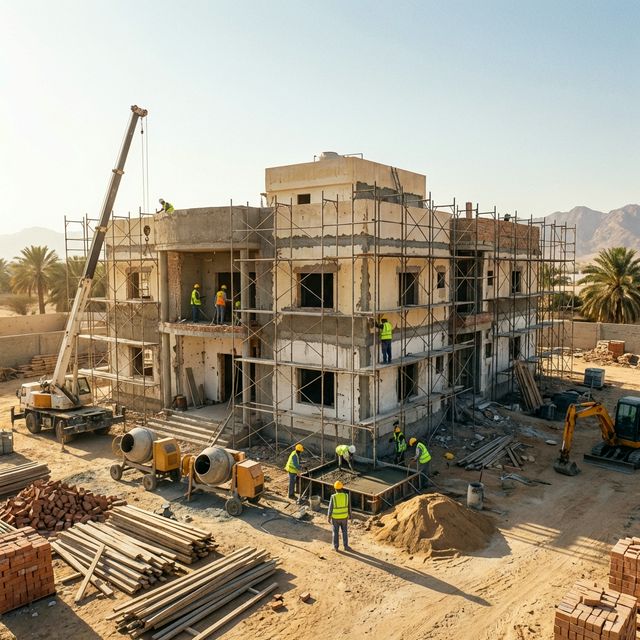
The sequence an owner follows to put solar on a commercial roof, from structural capacity and consumption profile through to the metering arrangement and energisation.
Putting solar on a commercial roof is less an equipment purchase than a connection project. The output has to match the way the building consumes energy, the roof has to carry the array for decades, and the utility has to accept the connection and configure metering before anything can legally run. Owners who order equipment before the connection route is understood tend to own panels that sit idle.
Before stage one
You are ready to start when you hold twelve months of consumption data at interval level, a structural opinion on the roof, and the remaining service life of the roof waterproofing. Those three documents determine whether the project is worth pursuing. Without the consumption profile you cannot size the system honestly, and without the roof assessment you may be installing a twenty five year asset on a covering with five years left.
- Collect interval consumption data for a full year, including weekends and the shutdown period.
- Obtain the structural capacity of the roof for additional dead load and wind uplift.
- Confirm the age and remaining life of the roof waterproofing system.
- Identify the supply capacity and the configuration of the incoming connection.
- Check whether the lease or title permits roof mounted equipment and who owns the roof.
Stage 1: Build the consumption profile
Plot consumption by hour across a year and overlay the solar generation profile for the location and orientation. A building that runs heavy cooling through the afternoon is a natural match. A building whose load is concentrated in the evening is not, and a system sized to annual totals would export heavily at midday and import heavily at night. This single analysis decides system size more than any other factor.
- Deliverable: An hourly load profile with an overlaid generation estimate and a self consumption figure.
- Owner: Energy consultant or the solar designer, using utility data you supply.
- Approval gate: An agreed target self consumption percentage before any capacity is specified.
Stage 2: Assess the roof as a structure and as a waterproof layer
A structural engineer confirms the additional load the roof can accept, including the uplift forces on a tilted array in wind. Separately, a roofing specialist assesses the covering, since installing an array over a membrane nearing the end of its life creates a future cost of removing and reinstating the system. If the covering needs replacing within a few years, do it before the array, not after.
- Deliverable: A structural capacity statement and a roof condition report with remaining life.
- Owner: Structural engineer and roofing specialist, instructed by the owner directly.
- Approval gate: No mounting method is selected until both reports are in hand.
Stage 3: Size the system and model the outcome
Capacity follows from the self consumption target, the usable roof area after exclusions, and the electrical connection limits. The model should show expected generation by month, the portion consumed on site, the portion exported, and how output declines over the system life. Modelled generation figures are estimates with real uncertainty, so examine the assumptions rather than accepting a single annual number.
- Deliverable: A sizing report with monthly generation, self consumption split and degradation assumed.
- Owner: Solar designer, with the owner challenging the assumptions.
- Approval gate: The owner can explain in one sentence why this capacity and not a larger one.
Stage 4: Prepare and submit the connection application
The utility sets the process for connecting a generating installation, including the technical submission, the equipment standards it accepts, the protection and isolation it requires, and the metering arrangement it will install. Application requirements differ by connection size and voltage level. The installer usually prepares the package, but the applicant is the owner, so the owner should read what is submitted.
- Deliverable: A submitted application pack with a reference number and a named contact.
- Owner: Owner as applicant, prepared by the installer or consultant.
- Approval gate: Written acknowledgement from the utility before equipment is ordered.
Stage 5: Procure against the approved design
Order only equipment that matches what was submitted and that carries the certifications the utility and the code require. Changing an inverter model after approval can require resubmission. Check the warranty terms and the route for a claim, confirm lead times against the programme, and make delivery of the serial number schedule a condition of acceptance at site.
- Deliverable: Purchase orders aligned item by item with the approved technical submission.
- Owner: Contractor, with the owner verifying model numbers against the submission.
- Approval gate: Any substitution requires written confirmation that it does not affect the approval.
Stage 6: Install, with the roof detail witnessed
Installation on an occupied building means crane or hoist access, work near live plant, and protection of the roof surface during the works. Every fixing or ballast point and every cable penetration must be detailed and inspected before it is covered. Record the roof interface photographically. This is the evidence that resolves any later argument about whether a leak came from the array or from the covering.
- Deliverable: Installation records including photographs of each penetration and its sealing.
- Owner: Contractor, with independent inspection on behalf of the owner.
- Approval gate: Roofing warranty position confirmed in writing by the original roofing contractor where one exists.
Stage 7: Inspection, metering and energisation
The utility inspects the installation, confirms protection settings and isolation, and configures the meter for the connection arrangement that applies. Only after this is the system permitted to operate. Commissioning should include a full output test, verification of monitoring and alerts, and a demonstration of the shutdown procedure to whoever manages the building.
- Deliverable: The energisation approval, the commissioning report and a trained site contact.
- Owner: Utility and contractor jointly, with the owner receiving all documents.
- Approval gate: Final payment is released after energisation, not after installation.
Handovers between stages
The two fragile joints are between sizing and connection application, where an optimistic capacity meets a connection limit, and between installation and energisation, where a contractor considers the job finished and the owner has an unapproved array. Hold a retention or a staged payment until energisation to keep the installer engaged through the approval process. Keep the roofing contractor informed throughout, because an array installed without their involvement frequently ends their warranty obligations.
How you know it is finished
The project is complete when the system is energised under an approved connection, the metering arrangement is confirmed in writing, monitoring produces alerts that reach a named person, and the full document set including structural, roofing, electrical and warranty records sits in the building file. Connection rules, equipment requirements and the commercial treatment of exported energy are set by the utility and the regulator and are updated periodically, so verify the current position when you apply, and take advice from a licensed adviser on any contract that allocates ownership of the equipment or the energy to a third party.
Domira works on buildings that already exist: surveying what is installed, specifying the systems that have to be replaced, and running maintenance and refurbishment work around the people using the property. Tell Domira which asset you are responsible for and we will say what we would inspect first.
Frequently Asked Questions
Can a commercial building in Saudi Arabia export solar power to the grid?
Connection and export arrangements are governed by the utility and the sector regulator, with different processes depending on the size and voltage of the connection. The commercial treatment of exported energy, and whether a credit mechanism applies to your category of customer, must be confirmed directly as part of the application rather than assumed from a supplier presentation, because these arrangements are periodically revised.
Should solar be sized to cover the whole electricity bill?
Rarely. Sizing to annual consumption usually produces heavy midday export and continued night time import, which weakens the economics unless the export arrangement is genuinely favourable. Sizing to the load that occurs while the sun is up, often called self consumption, generally produces a better return. Build the hourly profile first and let it decide.
Who owns the solar system under a power purchase arrangement?
Under a third party arrangement the developer typically owns and maintains the equipment and sells the output to the building, which reduces upfront cost and transfers performance risk. The trade offs sit in the contract: term length, roof access rights, what happens if you sell the building, and the buyout mechanism. Have a licensed adviser review those clauses before signing.
Have a Property Question?
Domira can help you navigate property, financing and investment decisions in Saudi Arabia. Speak with our team for an initial consultation.
