
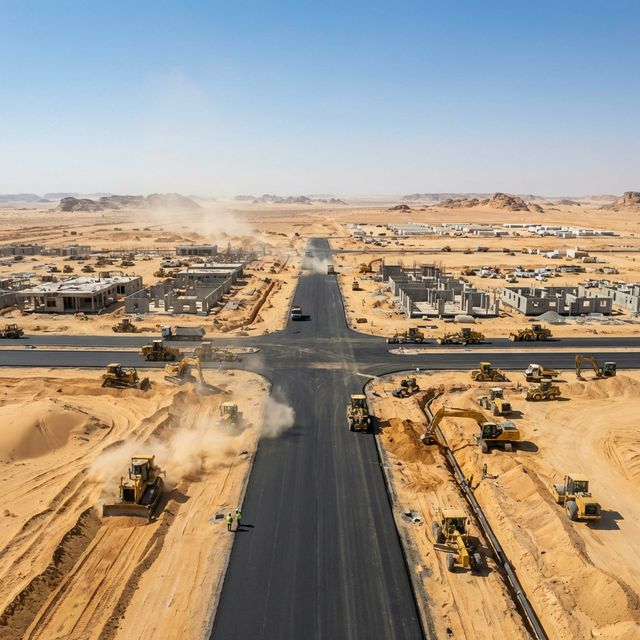
Agricultural land looks cheap and the project looks simple. What water, power, climate, labour and market access actually demand before a farm produces anything.
Agricultural projects attract overseas investors because the land is inexpensive relative to urban plots and the activity sounds straightforward. The constraints are water, climate, power, labour and getting produce to a buyer in condition, and none of them is visible on a land listing. These are the assumptions that need testing before any money is committed to a holding.
How to test a claim like this
Test any agricultural claim by following the water and the produce. Where does the water come from, how much is available, under what permission, and for how long? Then, once something is grown, how does it reach a buyer, in what condition, and who pays for the cold chain? A proposal that does not answer both questions in detail is a land sale rather than a farming plan.
Myth 1: Cheap agricultural land makes the project economics work.
Reality: Land is usually the smallest part of the cost. Water provision, wells or supply arrangements, irrigation infrastructure, power, protected growing structures, cold storage, machinery, and working capital through the first growing cycles all cost more than the plot. Cheap land often reflects exactly these missing elements.
How to check it yourself: Build the full capital budget including water, power, irrigation, structures and working capital, and see what proportion the land actually represents.
Myth 2: Water availability is a technical detail to resolve later.
Reality: It is the entire project. Groundwater use is regulated, quantities and permissions matter, and quality varies in ways that determine which crops are viable. A holding without a secure, permitted and sufficient water supply is not an agricultural asset regardless of its soil.
How to check it yourself: Confirm the water source, its quality, the permitted quantity and the regulatory position with the relevant authority before committing to the land.
Myth 3: Climate can be managed with shade and irrigation.
Reality: Temperature, humidity, light intensity and seasonality determine what grows and when. Protected cultivation, whether shade houses or controlled environment greenhouses, changes the economics completely because it adds structures, cooling and energy to the operation. Altitude locations have different possibilities from coastal or interior ones.
How to check it yourself: Match the crop plan to local climate data and, if protected cultivation is needed, price the structures and their energy cost as part of the base case.
Myth 4: Selling the produce is the easy part.
Reality: Market access is where agricultural projects most often fail. Produce needs grading, packing, cold storage, transport within a short window and a buyer relationship established before harvest. A farm with no packhouse and no committed buyer sells at whatever the nearest wholesale market offers on the day.
How to check it yourself: Identify the specific buyers and the route to them, and price the packing and cold chain before planting anything.
Myth 5: The labour side runs itself.
Reality: Agricultural operations need workers on site continuously, often in remote locations, which means accommodation, transport, welfare and employment compliance. Workforce requirements and Saudization obligations apply to agricultural businesses as to others, and they should be checked through Qiwa and with a licensed adviser rather than assumed.
How to check it yourself: Prepare a staffing plan with accommodation and transport costed, and confirm employment obligations with a licensed adviser.
Myth 6: A farm can be managed remotely like a rental property.
Reality: Crops fail in days, not quarters. Irrigation faults, pests, equipment breakdown and harvest timing all require decisions on site within hours. An overseas owner needs either a capable resident manager with real authority or a partner whose own money is in the operation, because monthly reporting is far too slow a loop for agriculture.
How to check it yourself: Name the person on site with authority to act and define what they can decide without asking, before the first planting.
What this changes in your decision
- Confirm the water source, quality, permitted quantity and regulatory position before buying the land.
- Build the full capital budget including water, power, irrigation, structures and working capital.
- Match the crop plan to local climate data and price protected cultivation if it is needed.
- Identify buyers and the packing and cold chain route before deciding what to grow.
- Appoint a resident manager with real decision authority, or take a partner with capital in the project.
Domira designs, builds and manages projects across Saudi Arabia for owners who are based abroad: land appraisal, feasibility, design, construction, handover and asset management under one accountable contract. Send us the plot or the brief and Domira will put the numbers in front of you before you commit.
Frequently Asked Questions
Is agricultural land in Saudi Arabia a good investment for a foreign owner?
It depends far more on water and market access than on the land price. Water availability, quality and the permissions governing its use determine what can be grown, and produce needs grading, packing, cold storage and a committed buyer. Confirm the water position and the foreign ownership rules for agricultural land with the relevant authorities and REGA before committing.
What is the biggest cost in developing a farm?
Rarely the land. Water provision and irrigation infrastructure, power, protected growing structures where the climate requires them, cold storage and packing facilities, machinery, and working capital through the first growing cycles together dwarf the plot cost. Cheap agricultural land often reflects the absence of exactly these elements.
Can an agricultural project be run from abroad?
Not on a reporting cycle. Crops fail within days when irrigation or pest problems go unaddressed, and harvest timing cannot wait for approval from another time zone. You need a resident manager with real authority and a defined decision scope, or a local partner with their own capital in the operation. Monthly oversight works for property, not for farming.
Have a Property Question?
Domira can help you navigate property, financing and investment decisions in Saudi Arabia. Speak with our team for an initial consultation.

